
Introduction
Healthcare is a basic human right, yet millions of people around the world struggle to access the medical care they need. Whether due to high costs, lack of facilities, or systemic inequalities, healthcare access remains a major global challenge.
In many developing countries, hospitals are overcrowded, essential medicines are scarce, and trained doctors are in short supply. Even in wealthier nations, healthcare costs can be overwhelming, leaving many without proper treatment. The result? Preventable diseases go untreated, life expectancy drops, and health disparities widen.
But what causes these healthcare gaps, and what can be done to bridge them? In this article, we’ll explore the key barriers to healthcare access and the solutions that could make quality care available for all.
The Major Barriers to Healthcare Access
Access to healthcare is shaped by multiple factors, including economics, geography, and government policies.
1. High Costs and Lack of Insurance
- Many people can’t afford medical care, especially in countries without universal healthcare.
- Expensive treatments and medications put life-saving care out of reach.
- Even in countries with insurance, gaps in coverage leave some unable to afford specialist care or medications.
2. Shortage of Healthcare Facilities and Professionals
- In rural and remote areas, hospitals and clinics may be far away, making access difficult.
- A global shortage of doctors, nurses, and specialists means long wait times and overburdened healthcare workers.
- In low-income countries, many people rely on underfunded public health systems that lack proper equipment and resources.
3. Geographic Barriers
- People living in rural or isolated regions often have to travel long distances to reach a doctor.
- In areas affected by conflict, natural disasters, or political instability, healthcare services are often disrupted.
4. Social and Cultural Barriers
- Stigma around mental health, reproductive health, or infectious diseases prevents people from seeking treatment.
- Language barriers and lack of culturally sensitive care make it harder for marginalised groups to access health services.
- Gender inequality means that in some countries, women struggle to access reproductive care or are unable to make healthcare decisions.
5. Poor Public Health Infrastructure
- Some governments lack the funds or political will to invest in healthcare systems.
- Corruption and mismanagement reduce the effectiveness of public health services.
- Lack of clean water, sanitation, and nutrition worsens health outcomes, especially in developing nations.
The Consequences of Limited Healthcare Access
When people can’t get the care they need, the impact is devastating:
- Higher mortality rates – Treatable illnesses like pneumonia, diarrhoea, and pregnancy complications become life-threatening.
- Worsening chronic diseases – Conditions like diabetes and hypertension go untreated, leading to serious complications.
- Increased poverty – Medical expenses push families into financial hardship, especially in countries without social safety nets.
- Global health threats – Lack of healthcare access contributes to the spread of diseases like tuberculosis and COVID-19.
Without urgent action, healthcare inequality will continue to widen the gap between rich and poor populations.
Solutions: How to Improve Healthcare Access
While healthcare challenges are complex, there are several ways to improve access and ensure quality care for all.
1. Expanding Universal Healthcare Coverage
- Countries with publicly funded healthcare systems (like the UK’s NHS) provide affordable care to all citizens.
- Expanding government-funded insurance or subsidies can make private healthcare more accessible.
2. Strengthening Healthcare Infrastructure
- Governments and global organisations must invest in hospitals, clinics, and medical training.
- Mobile health clinics can bring medical services to remote and underserved areas.
3. Lowering Drug and Treatment Costs
- Policies that regulate drug prices can make essential medications more affordable.
- Expanding generic medication use can reduce costs without sacrificing quality.
- Non-profit organisations can help distribute low-cost or free medicines to those in need.
4. Improving Digital and Telemedicine Services
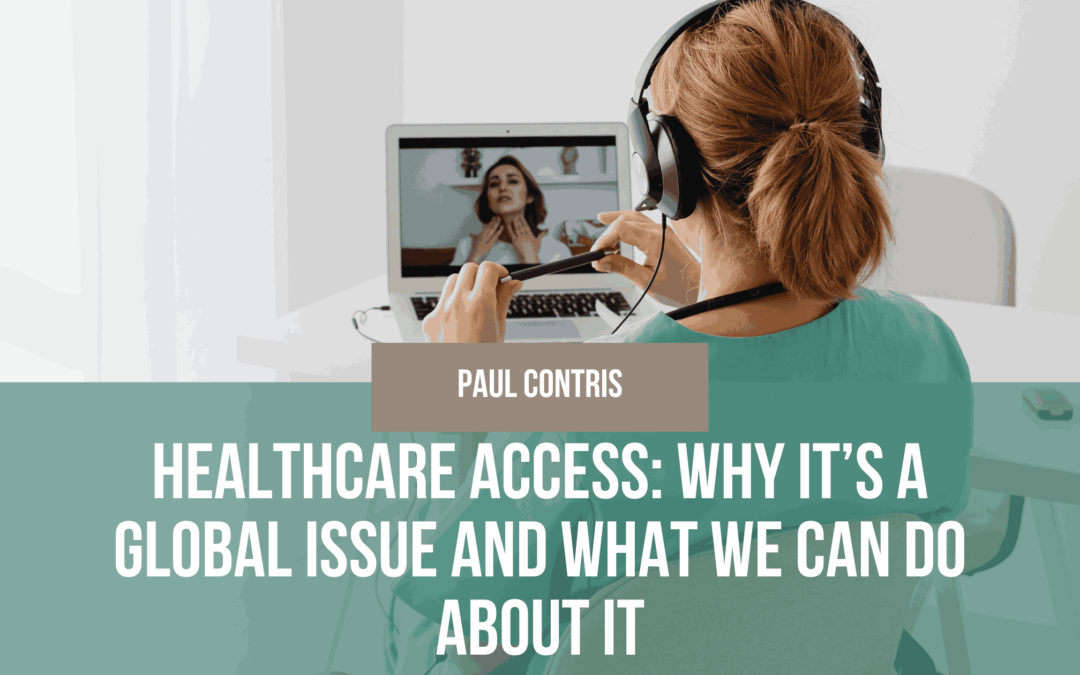
- Telemedicine allows patients to consult doctors remotely, reducing travel barriers.
- AI-powered diagnostics and mobile health apps can expand healthcare access, especially in areas with few doctors.
5. Increasing Global Health Funding and Partnerships
- International organisations like the WHO and NGOs can provide funding, medical supplies, and training.
- Public-private partnerships can accelerate healthcare innovations and expand resources.
6. Addressing Social and Cultural Barriers
- Mental health awareness campaigns can reduce stigma around seeking care.
- Culturally inclusive training for healthcare providers ensures better treatment for diverse communities.
- Community health programs can educate people on disease prevention and basic medical care.
Final Thoughts
Healthcare should not be a privilege—it’s a fundamental right. Yet, millions of people worldwide still struggle to access essential medical care. High costs, lack of facilities, and systemic inequalities continue to put lives at risk.
The good news? Change is possible. By investing in healthcare systems, lowering costs, and embracing new technologies, we can move toward a future where quality healthcare is available to everyone, no matter where they live.
It’s time to prioritise healthcare access, because good health shouldn’t depend on wealth or geography. A healthier world benefits us all.