
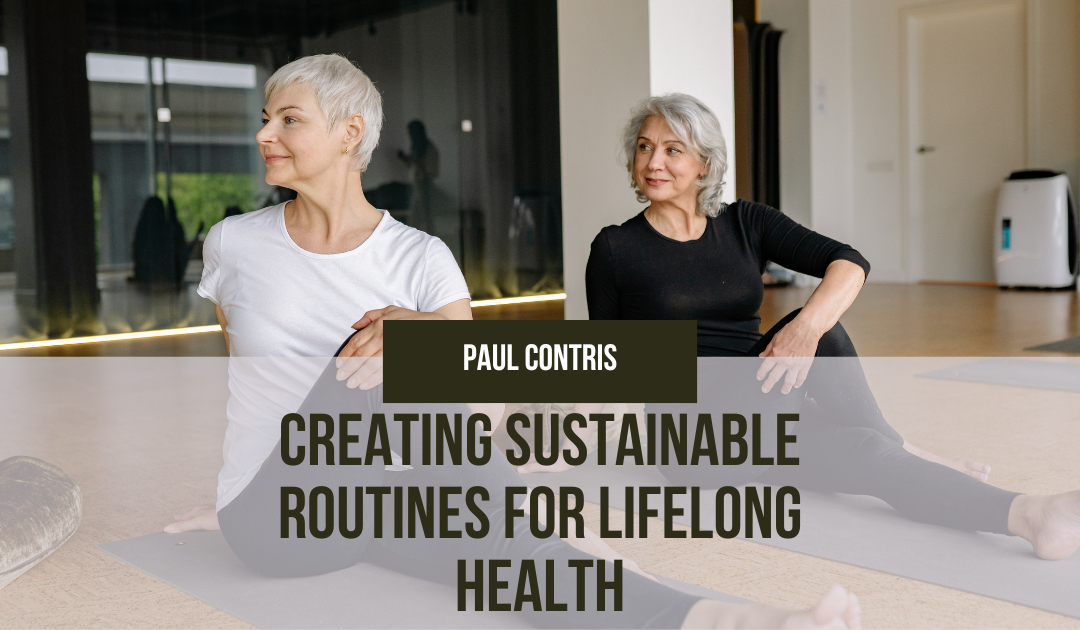
In a world filled with quick fixes, fad diets, and short-lived fitness trends, the idea of lifelong health can feel overwhelming. Many people start strong with new habits, only to abandon them weeks later due to unrealistic expectations or burnout. The truth is, sustainable health isn’t built on extremes—it’s shaped by consistent, manageable routines that evolve with your life. Creating sustainable routines is less about perfection and more about building a lifestyle that supports your well-being over time.
Why Sustainability Matters More Than Intensity
One of the biggest misconceptions about health is that it requires dramatic change. Intense workout plans, restrictive diets, and rigid schedules may produce short-term results, but they are rarely maintainable. Sustainable routines, on the other hand, prioritize consistency over intensity. Small, repeated actions—like walking daily, eating balanced meals, and getting enough sleep—compound over time to create meaningful, lasting improvements.
When routines are realistic and adaptable, they become part of your identity rather than a temporary effort. This shift in mindset is crucial. Instead of asking, “How fast can I see results?” the better question becomes, “What can I continue doing for years to come?”
Start Small and Build Gradually
The foundation of any sustainable routine is simplicity. Trying to overhaul your entire lifestyle at once often leads to frustration and failure. Instead, start with one or two manageable changes. For example, you might begin by adding a 10-minute walk to your day or swapping sugary drinks for water.
As these habits become second nature, you can gradually build on them. This step-by-step approach not only reduces overwhelm but also increases your confidence. Each small success reinforces your ability to stick with the process, making it easier to adopt additional healthy behaviors over time.
Prioritize Consistency Over Perfection
Perfection is one of the biggest barriers to long-term success. Missing a workout or indulging in an unhealthy meal can make people feel like they’ve failed, leading them to give up entirely. Sustainable routines, however, allow for flexibility. Life is unpredictable, and your habits should be able to accommodate that.
Consistency doesn’t mean doing everything perfectly—it means showing up regularly, even if your effort varies. A shorter workout is better than no workout. A balanced meal later in the day can offset an earlier indulgence. By focusing on consistency, you create a routine that is resilient rather than fragile.
Design Your Environment for Success
Your surroundings play a powerful role in shaping your behavior. Creating an environment that supports your goals can make healthy choices feel easier and more natural. For example, keeping nutritious foods visible and accessible encourages better eating habits, while setting out workout clothes the night before can make it easier to stay active.
Reducing friction is key. The fewer obstacles between you and a healthy behavior, the more likely you are to follow through. At the same time, increasing friction for less desirable habits—such as limiting access to junk food or reducing screen time—can help you stay on track without relying solely on willpower.
Balance Physical, Mental, and Emotional Health
True lifelong health extends beyond physical fitness. Mental and emotional well-being are equally important, yet often overlooked. Sustainable routines should include practices that support all aspects of your health.
This might involve setting aside time for mindfulness, journaling, or simply unplugging from digital distractions. Building strong social connections and maintaining a sense of purpose also contribute significantly to overall well-being. When your routine addresses multiple dimensions of health, it becomes more fulfilling and easier to maintain.
Adapt as Life Changes
What works for you today may not work in the future—and that’s okay. Life circumstances change, whether it’s a new job, family responsibilities, or aging. Sustainable routines are flexible and evolve with these changes.
Instead of abandoning your habits when life shifts, adjust them. If you can’t commit to long workouts, try shorter, more frequent sessions. If your schedule becomes busier, focus on quick, nutritious meals rather than elaborate recipes. The goal is to maintain continuity, even if the structure of your routine changes.
Track Progress and Celebrate Wins
Monitoring your progress can help you stay motivated and aware of your growth. This doesn’t have to be complicated—simple methods like journaling, habit tracking apps, or weekly reflections can be effective. Tracking allows you to identify patterns, celebrate improvements, and make informed adjustments.
Equally important is recognizing your achievements, no matter how small they may seem. Celebrating milestones reinforces positive behavior and keeps you engaged in the process. Over time, these small wins build momentum and strengthen your commitment to your routine.
Focus on the Long-Term Vision
Sustainable health is a lifelong journey, not a destination. It’s about creating a way of living that supports your energy, resilience, and overall quality of life. While short-term goals can provide direction, keeping a long-term perspective helps you stay grounded and patient.
Rather than chasing rapid results, focus on how your habits make you feel—more energized, less stressed, and better equipped to handle daily challenges. These benefits are often more meaningful and enduring than any quick transformation.
Final Thoughts
Creating sustainable routines for lifelong health is not about doing everything right—it’s about doing the right things consistently. By starting small, staying flexible, and prioritizing balance, you can build habits that stand the test of time. In the end, it’s the everyday choices, repeated over months and years, that shape a healthier, more fulfilling life.